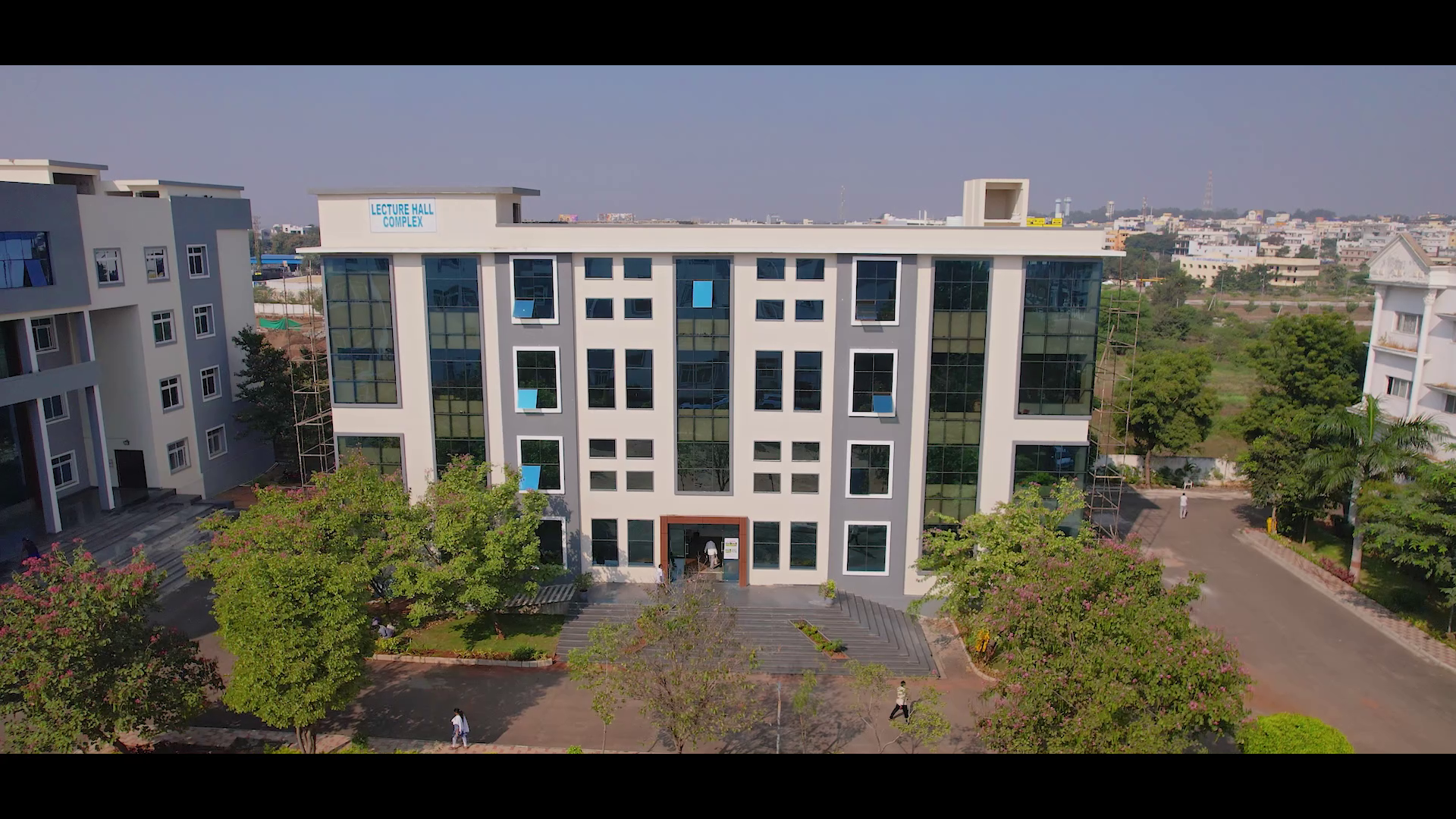
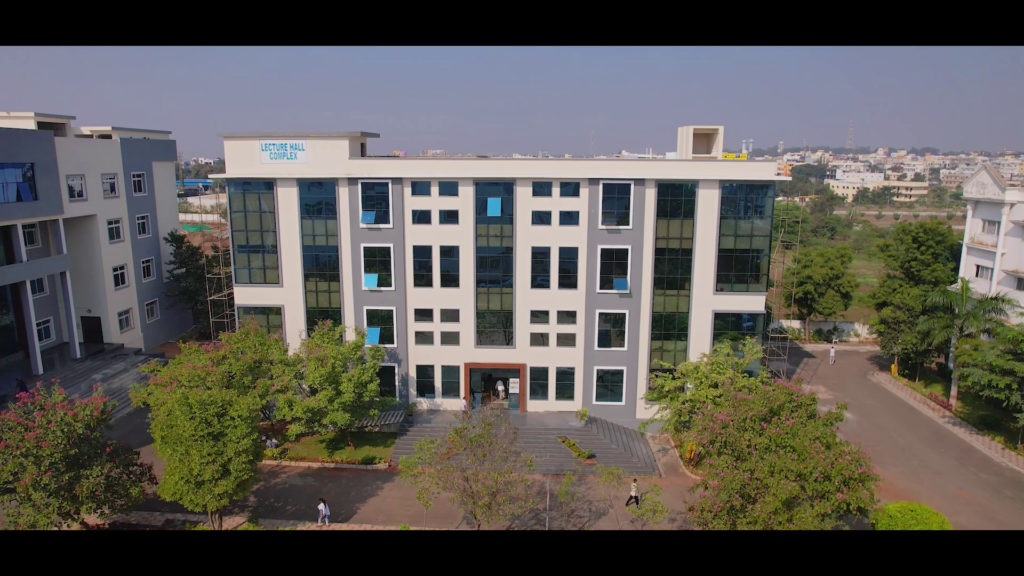
Lecture halls form the academic backbone of Dr. Patnam Mahender Reddy Institute of Medical Sciences (PMRIMS), serving as the primary spaces for medical instruction, knowledge exchange, and student engagement. Thoughtfully designed and equipped with modern infrastructure, the PMRIMS lecture halls create an environment that supports both effective teaching and meaningful learning across all batches and disciplines.
4 Lecture Halls | 280 Seats Each | 1,120 Total Capacity
Features of PMRIMS Lecture Halls
1. Spacious Design with High Seating Capacity
PMRIMS houses 4 state-of-the-art lecture halls, each designed to comfortably accommodate 280 students, providing a combined seating capacity of 1,120 students across the campus.
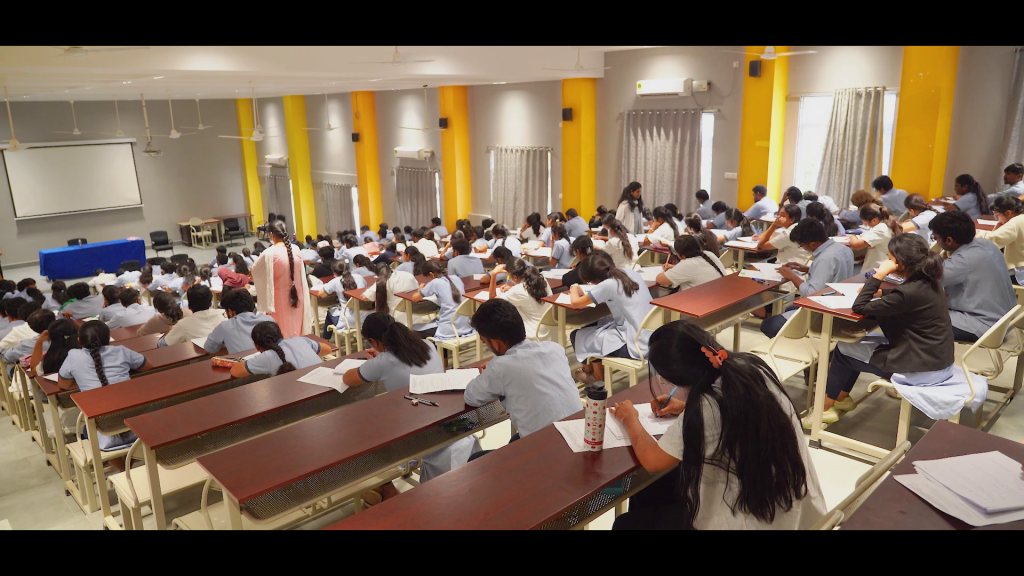
Generously proportioned interiors ensure that every student enjoys ample personal space, eliminating the discomfort of overcrowding even during large-batch sessions.
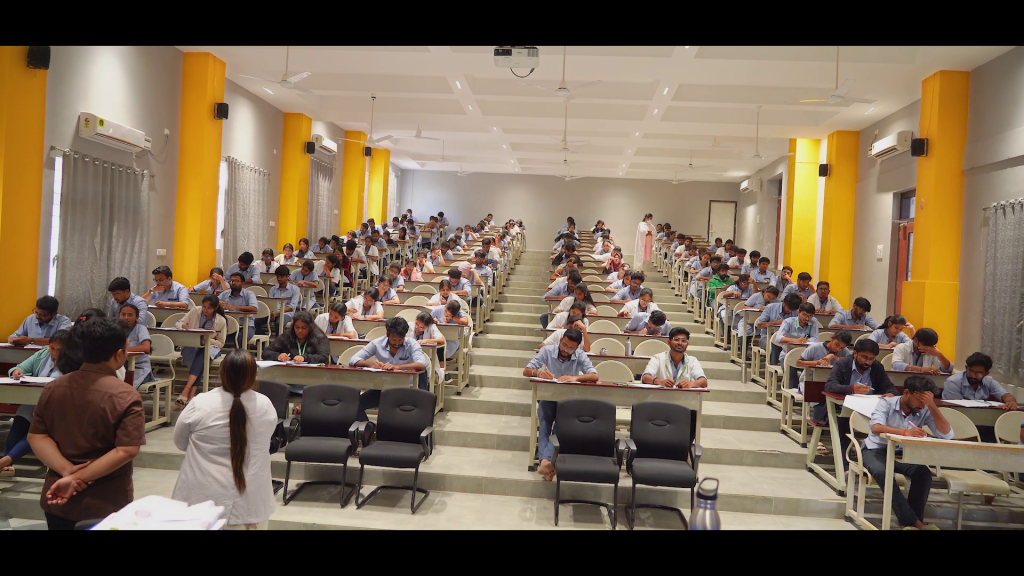
Tiered seating arrangements are incorporated in every hall, ensuring unobstructed sightlines and clear visibility of the board, screen, and instructor for every attendee — from the first row to the last.
2. Ergonomic Seating
Each of the 280 seats per hall is fitted with comfortable, ergonomically designed chairs and integrated writing desks, built to support extended hours of academic engagement without fatigue.
Generous legroom between rows and broad writing surfaces provide students with added convenience, making note-taking and in-hall assessments comfortable and efficient.
3. Advanced Audio-Visual Systems
Every lecture hall is equipped with high-definition projectors, large display screens, and premium sound systems to support clear and impactful academic presentations.
Strategically placed microphones and distributed speaker systems ensure that lectures are clearly audible across the full breadth of each 280-seat hall, eliminating dead zones and ensuring equal access to instruction.
4. Smart Technology Integration
All four lecture halls are Wi-Fi-enabled, providing students and faculty with seamless access to digital resources, online references, and e-learning platforms during sessions.
Smartboards and interactive display panels support modern, technology-driven teaching methodologies, including real-time annotations, multimedia content delivery, and collaborative digital tools.
5. Proper Lighting and Ventilation
A combination of natural daylighting and high-quality artificial lighting ensures a bright, consistent, and visually comfortable environment throughout the day.
Central air-conditioning systems maintain optimal thermal comfort across all 280 seats, ensuring that students remain focused and at ease regardless of external weather conditions.
6. Accessibility
All four lecture halls are fully accessible, with dedicated ramps, elevators, and inclusively designed seating arrangements to accommodate differently-abled students with dignity and ease.
The halls are strategically positioned within the campus for convenient access from hostels, departments, and common areas, minimizing transit time and supporting punctuality.
Functions of the Lecture Halls
1. Classroom Learning
Each of the four lecture halls serves as the primary venue for undergraduate batch lectures, seminars, and academic workshops, accommodating up to 280 students per session.
The halls are equally suited for traditional didactic instruction and interactive, student-centered teaching methodologies, offering flexibility to faculty across all departments.
2. Examinations
The generous seating layout of 280 seats per hall provides a well-spaced, controlled, and distraction-free environment ideal for conducting internal examinations, assessments, and university tests.
3. Guest Lectures and Events
With a combined capacity of 1,120 seats, the four halls serve as premier venues for hosting distinguished guest speakers, interdisciplinary academic panels, CME programs, and large-scale institutional conferences.
4. Collaborative Activities
The halls’ spacious layouts and integrated technology infrastructure facilitate group discussions, structured debates, case-based learning sessions, and interactive seminars — promoting a culture of active academic participation.
Benefits of Well-Equipped Lecture Halls
1. Enhanced Learning Experience
Advanced audiovisual tools, smart technology, and comfortable seating across all 280 seats in each hall foster better comprehension, knowledge retention, and academic engagement.
Diverse teaching modalities enabled by technology cater to varied learning styles, ensuring every student is supported regardless of how they best absorb information.
2. Improved Interaction
Tiered seating, high-quality amplification systems, and large display screens ensure that all 280 students in a hall can clearly see and hear the instructor, promoting confident and active classroom participation.
3. Efficient Use of Space
The multi-functional design of all four halls allows seamless transitions between lectures, examinations, guest events, and collaborative activities — maximizing the productive use of institutional space.
4. Motivation and Focus
A modern, clean, well-lit, and air-conditioned environment across all 280 seats in each hall creates an inspiring academic atmosphere that motivates both students and faculty to perform at their very best.
Essential Maintenance Practices
1. Regular Equipment Checks
Scheduled preventive maintenance is carried out for all projectors, microphones, amplifiers, and air-conditioning units across the four halls to ensure uninterrupted academic operations.
Outdated or underperforming technology is proactively identified and upgraded in a timely manner to keep the learning environment at the forefront of educational infrastructure.
2. Cleanliness
Routine housekeeping protocols are followed rigorously to maintain a clean, hygienic, and organized environment throughout all 280 seats and the broader hall spaces on a daily basis.
3. Feedback Mechanism
Structured feedback is regularly collected from students and faculty through digital and physical channels to identify infrastructure concerns, address recurring issues, and implement continuous improvements across all four lecture halls.
Committed to Excellence in Medical Education & Patient Care.