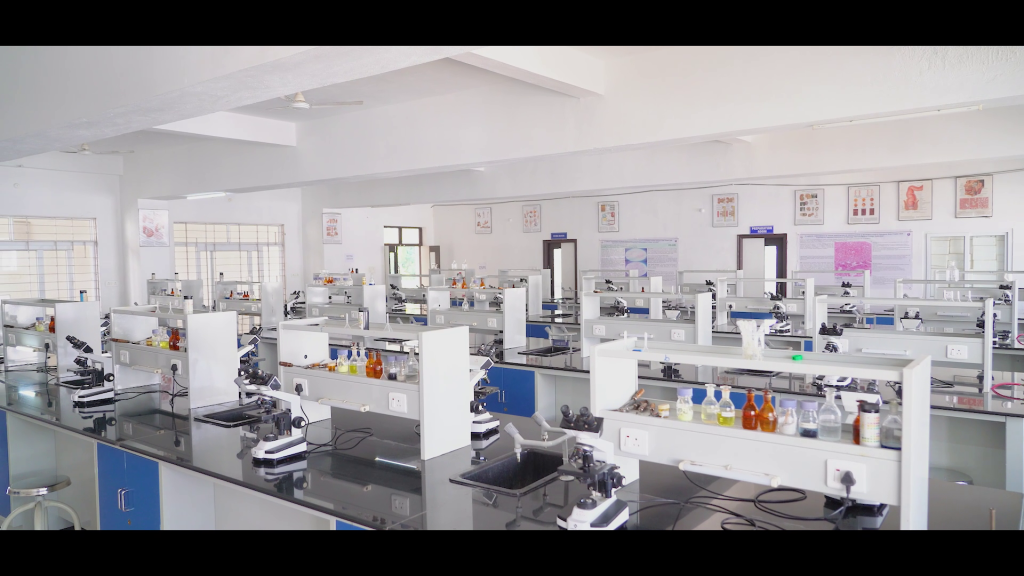
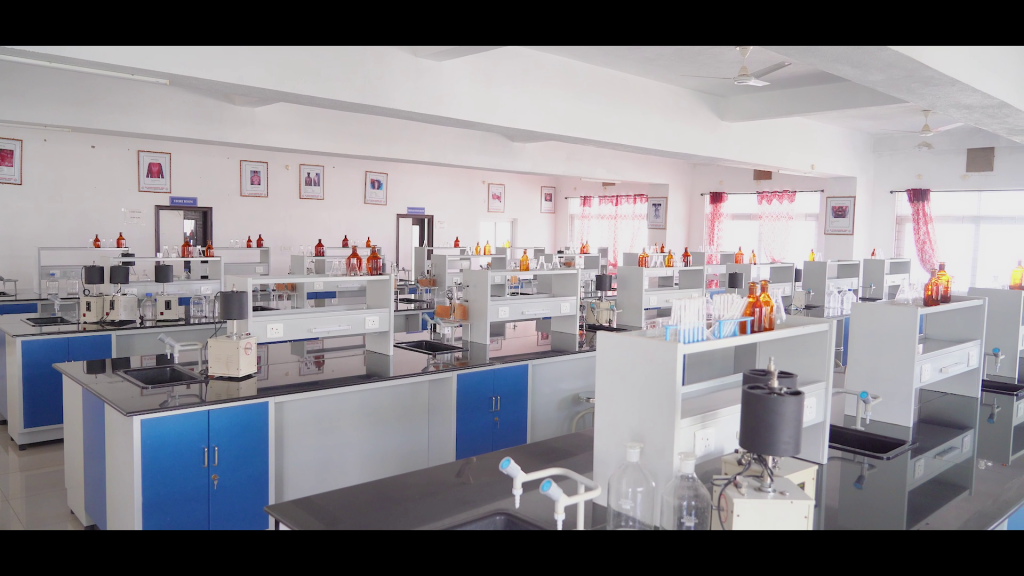
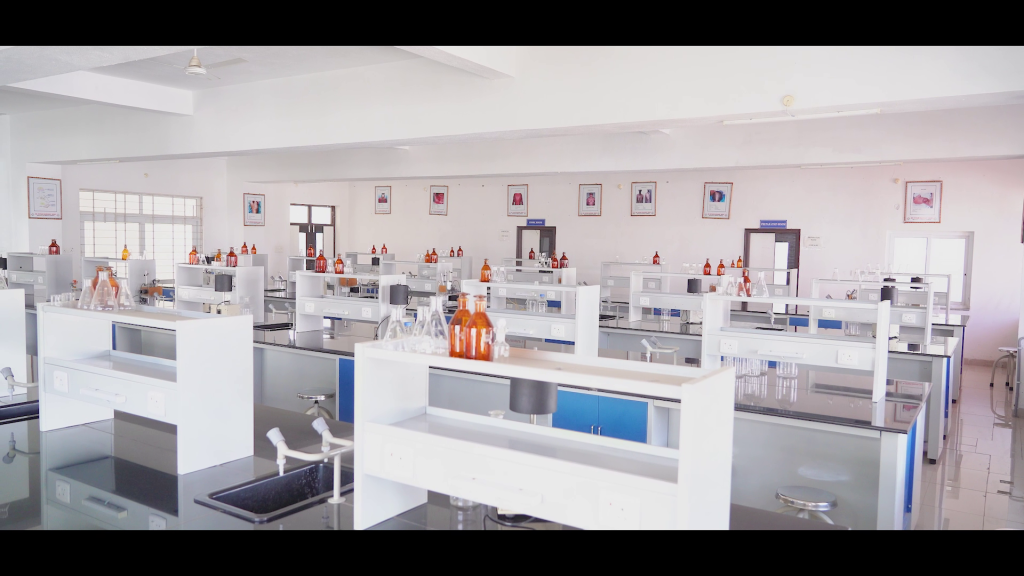
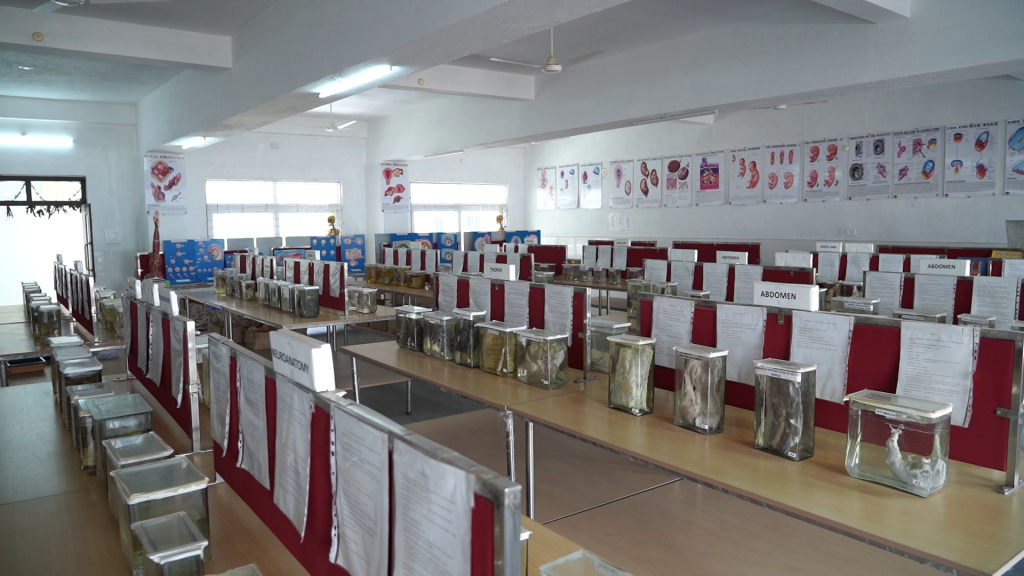
At Dr. Patnam Mahender Reddy Institute of Medical Sciences (PMRIMS), Laboratories and Museums form the backbone of practical medical education — bridging the gap between theoretical knowledge and real-world clinical application. These facilities are designed to complement classroom instruction by immersing students in hands-on learning environments that foster curiosity, critical thinking, and a deeper understanding of the medical sciences. From anatomy dissection halls to pathology and microbiology labs, every facility at PMRIMS is purpose-built to meet the rigorous academic and clinical training standards mandated by the National Medical Commission (NMC).
Laboratories — The Hub of Practical Medical Learning
The laboratories at PMRIMS serve as dynamic centers of experiential learning, where students move beyond textbooks to apply, explore, and validate medical concepts through direct observation, experimentation, and analysis. Each laboratory is discipline-specific, fully equipped, and maintained to the highest standards of safety, hygiene, and academic utility.
Features of PMRIMS Laboratories
1. Modern and Specialized Equipment
- Every laboratory at PMRIMS is outfitted with state-of-the-art instruments, diagnostic tools, and medical-grade equipment specifically curated for each discipline — including Anatomy, Physiology, Biochemistry, Pathology, Microbiology, Pharmacology, and Forensic Medicine.
- Dedicated laboratory spaces for each pre-clinical and para-clinical department ensure that students receive focused, discipline-specific practical training aligned with the NMC undergraduate and postgraduate curriculum.
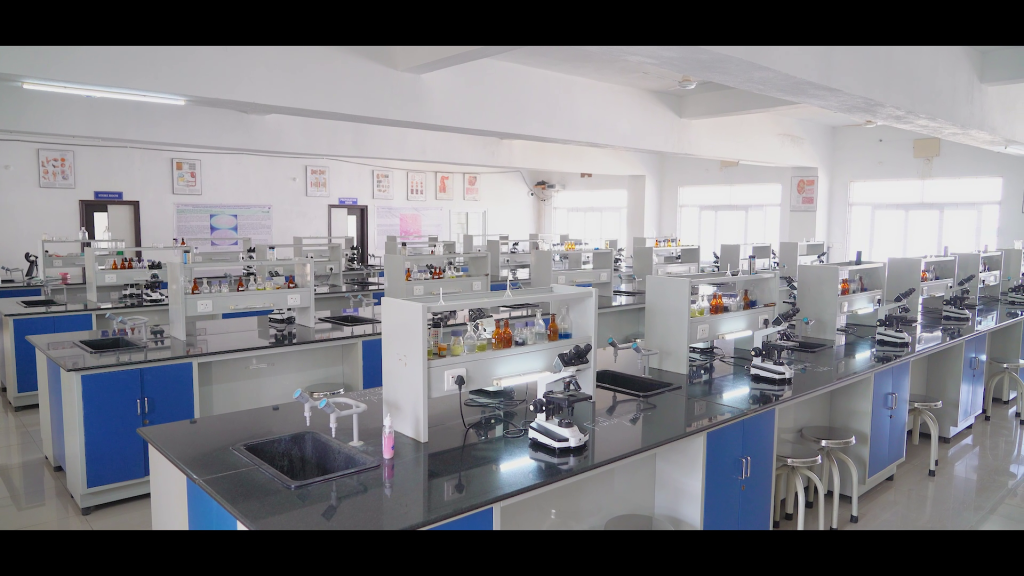
- Advanced microscopy systems, specimen collections, culture media setups, and biochemical analyzers provide students with exposure to the very tools and methodologies used in modern clinical and research practice.
2. Strict Safety Standards
- All PMRIMS laboratories are designed and maintained in full compliance with established biosafety and laboratory safety guidelines, incorporating proper ventilation systems, biohazard disposal units, fire extinguishers, and well-stocked first-aid kits.
- Clearly defined safety protocols are enforced at all times, with students required to use appropriate personal protective equipment (PPE) — including lab coats, gloves, and eye protection — during every practical session.
- Trained laboratory technicians and faculty supervisors are present during all practical sessions to guide students, enforce safety procedures, and ensure a secure and productive learning environment.
3. Technology Integration
- PMRIMS laboratories are equipped with advanced digital platforms, simulation tools, and data logging systems that enhance the quality and depth of practical training across all medical disciplines.
- High-performance computing setups and digital microscopy stations support research-oriented learning, enabling students to analyze, document, and interpret experimental data with precision and efficiency.
- Integration of e-learning resources and digital lab manuals ensures that students can review procedures, reference materials, and experimental outcomes beyond scheduled laboratory hours.
4. Student-Centric Design
- Each laboratory is designed with ample individual and group workstations, ensuring that every student has dedicated space and access to equipment during practical sessions without overcrowding or compromise in learning quality.
- Organized storage systems for laboratory materials, specimens, reagents, and personal belongings maintain a clean, orderly, and efficient working environment across all laboratory spaces.
- The layout of each lab is optimized for both independent practical work and faculty-guided demonstrations, supporting a variety of teaching and learning formats within the same space.
Benefits of PMRIMS Laboratories
1. Enhanced Practical Learning
- PMRIMS laboratories facilitate true experiential learning by enabling students to directly observe, handle, and analyze the biological, chemical, and physiological phenomena they study in the classroom — creating a richer, more complete understanding of medical science.
- Hands-on practical exposure sharpens critical thinking, diagnostic reasoning, and problem-solving skills that are essential for clinical practice and postgraduate medical education.
2. Research and Innovation
- The well-equipped laboratory infrastructure at PMRIMS provides students and faculty with a strong platform for conducting original research, collaborative investigations, and evidence-based academic projects across all medical disciplines.
- Regular practical sessions, research seminars, and faculty-mentored laboratory projects actively promote a culture of scientific inquiry, innovation, and academic curiosity throughout the institution.
3. Career and Clinical Preparation
- Practical exposure to industry-standard laboratory equipment, diagnostic tools, and clinical procedures equips PMRIMS graduates with the technical competence and professional confidence required to excel in clinical practice, postgraduate studies, and medical research.
- Familiarity with NMC-mandated practical competencies gained through rigorous laboratory training ensures that every PMRIMS graduate is fully prepared to meet the standards expected of a competent Indian Medical Graduate upon completion of their degree.
Museums
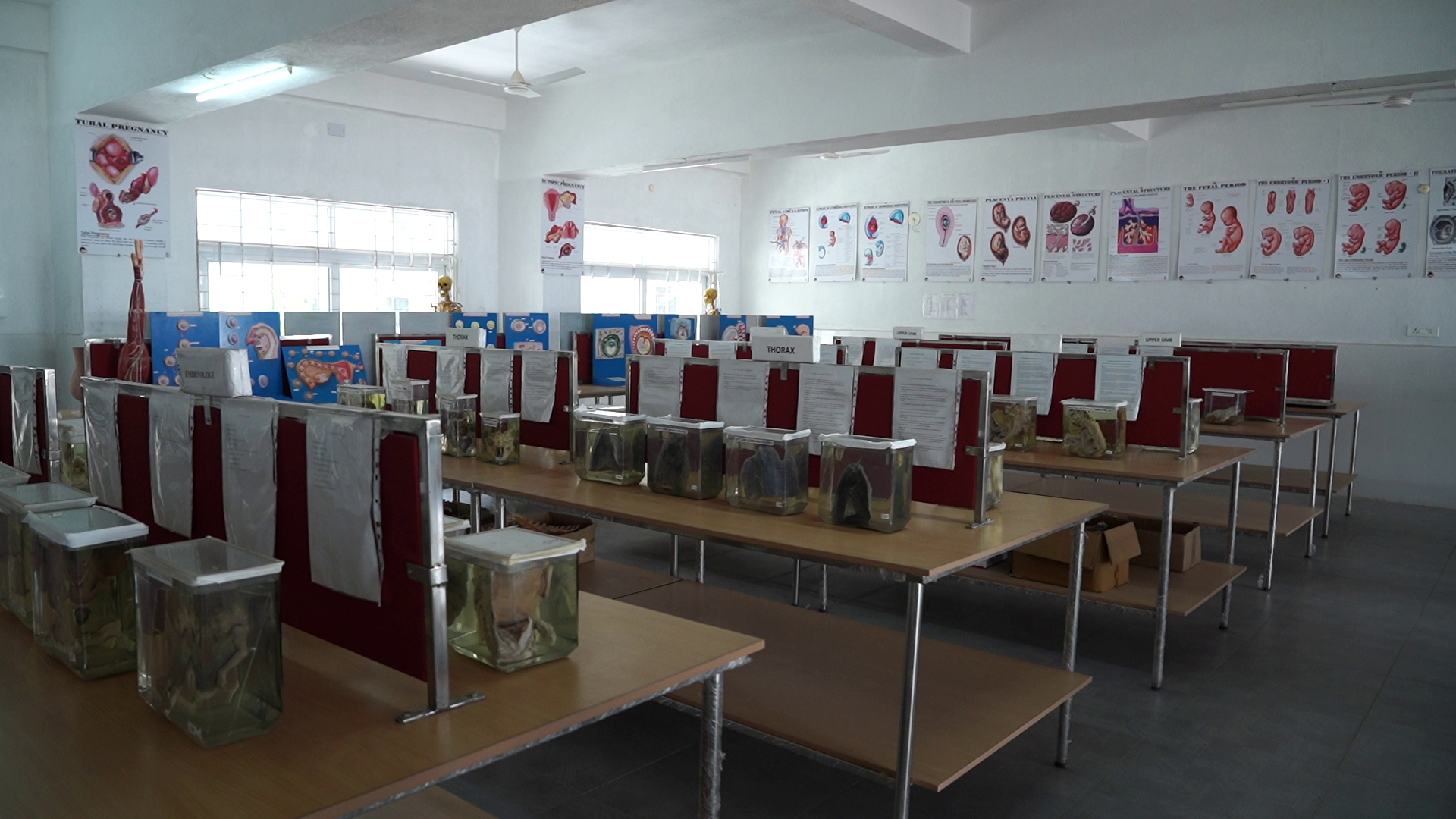
The PMRIMS academic museums serve as invaluable educational repositories, housing an extensive collection of specimens, models, charts, and anatomical displays that provide students with vivid, three-dimensional insights into human biology, pathology, and medical history.
1. Anatomy Museum
- The PMRIMS Anatomy Museum houses a comprehensive collection of human skeletal specimens, preserved cadaveric dissections, osteological models, and detailed anatomical charts covering all systems of the human body.
- Carefully curated and well-maintained specimens provide students with direct visual and tactile exposure to human anatomy, reinforcing the concepts covered in dissection hall sessions and classroom lectures.
2. Pathology Museum
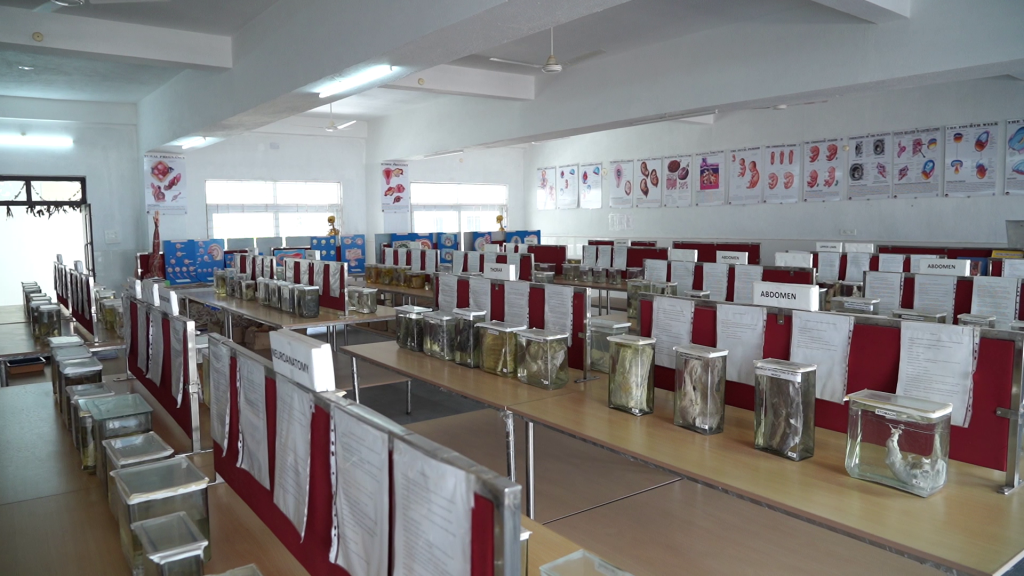
- The Pathology Museum contains an extensive collection of gross pathological specimens representing a wide range of disease conditions across all organ systems, providing students with direct visual exposure to the macroscopic features of clinically significant pathologies.
- Specimens are systematically catalogued and labelled to support structured learning during museum sessions, practical examinations, and self-directed study.
3. Forensic Medicine Museum
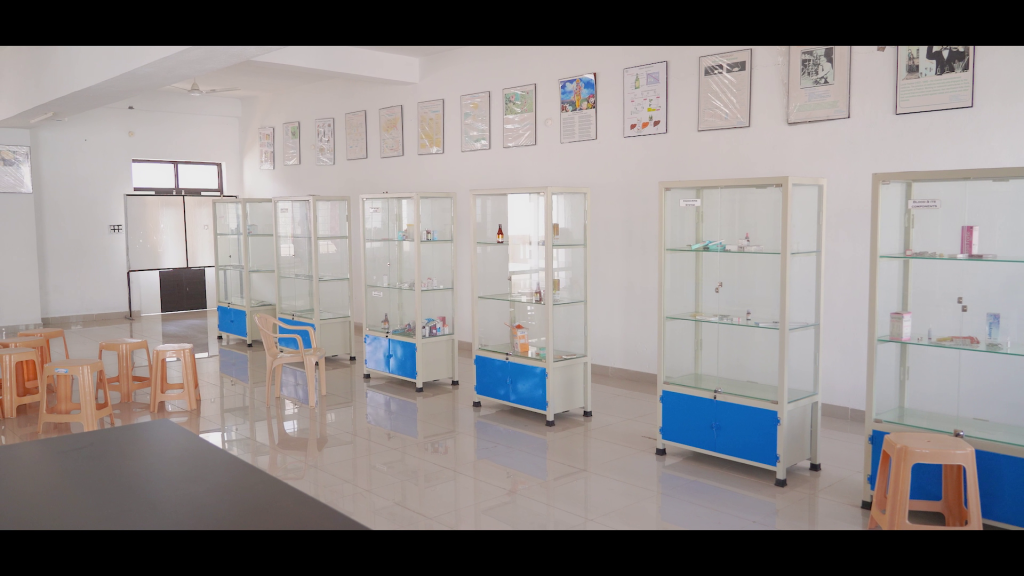
- The Forensic Medicine Museum at PMRIMS houses a curated collection of medicolegal specimens, instruments, and exhibits that expose students to the practical and investigative dimensions of forensic medicine and toxicology.
- Exhibits are regularly updated and reviewed by faculty to ensure their continued academic relevance and alignment with the current NMC curriculum.